Parliament Hill Visit
On June 6, 2019, at the invitation of Member of Parliament Saroya Saroya, members of the Canada Gansu Federation of Chamber of Commerce set off from Toronto to the capital Ottawa happily.
The gentle breeze is warm and cars move fast all the way. Mr. Lixing Luo couldn't help but joking: We are in capital city today!
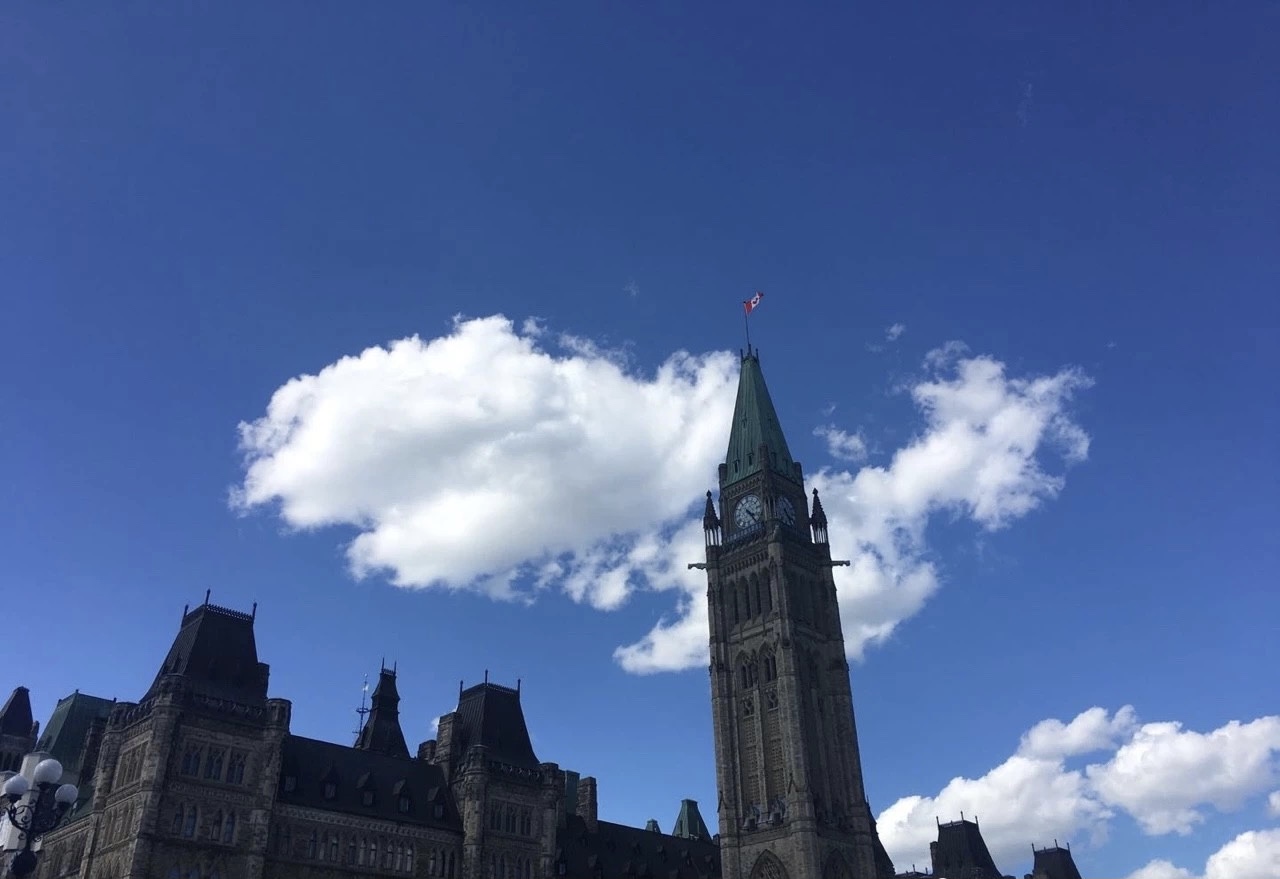
Parliament Hill in the sunset
At 10 am on June 7th, we came to Mr. Saroya's office in Ottawa to sit down. The interior is unpretentious and the Canadian flag is bright and dazzling.
Mr. Saroya warmly welcomed the members of Canada Gansu Federation of Chamber of Commerce to visit Parliament Hill. His office is preparing for this year's general election and looks forward to your continued support.
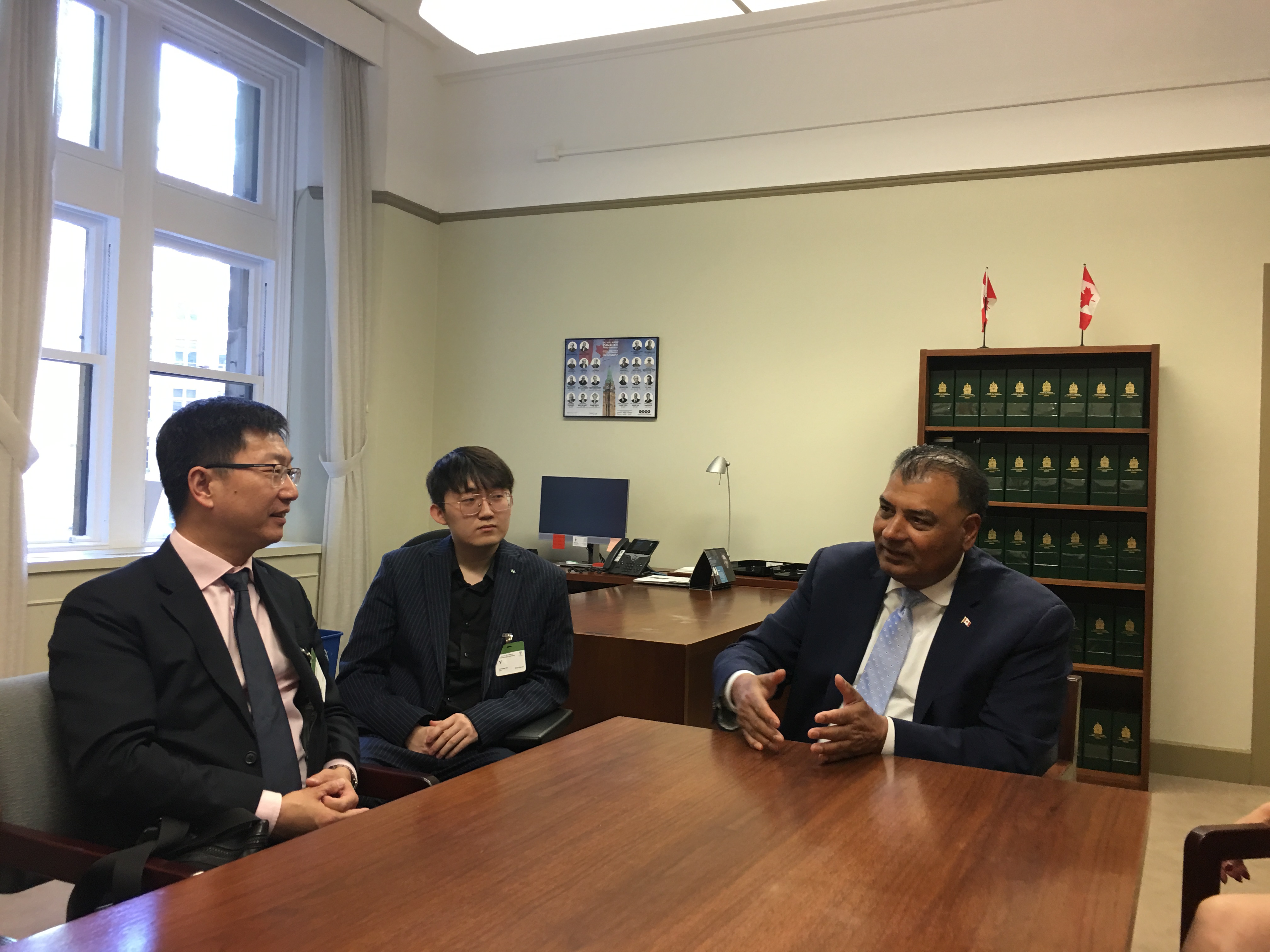
Mr. Saroya having a conversation with Chamber of Commerce President Zhaoan Sui.
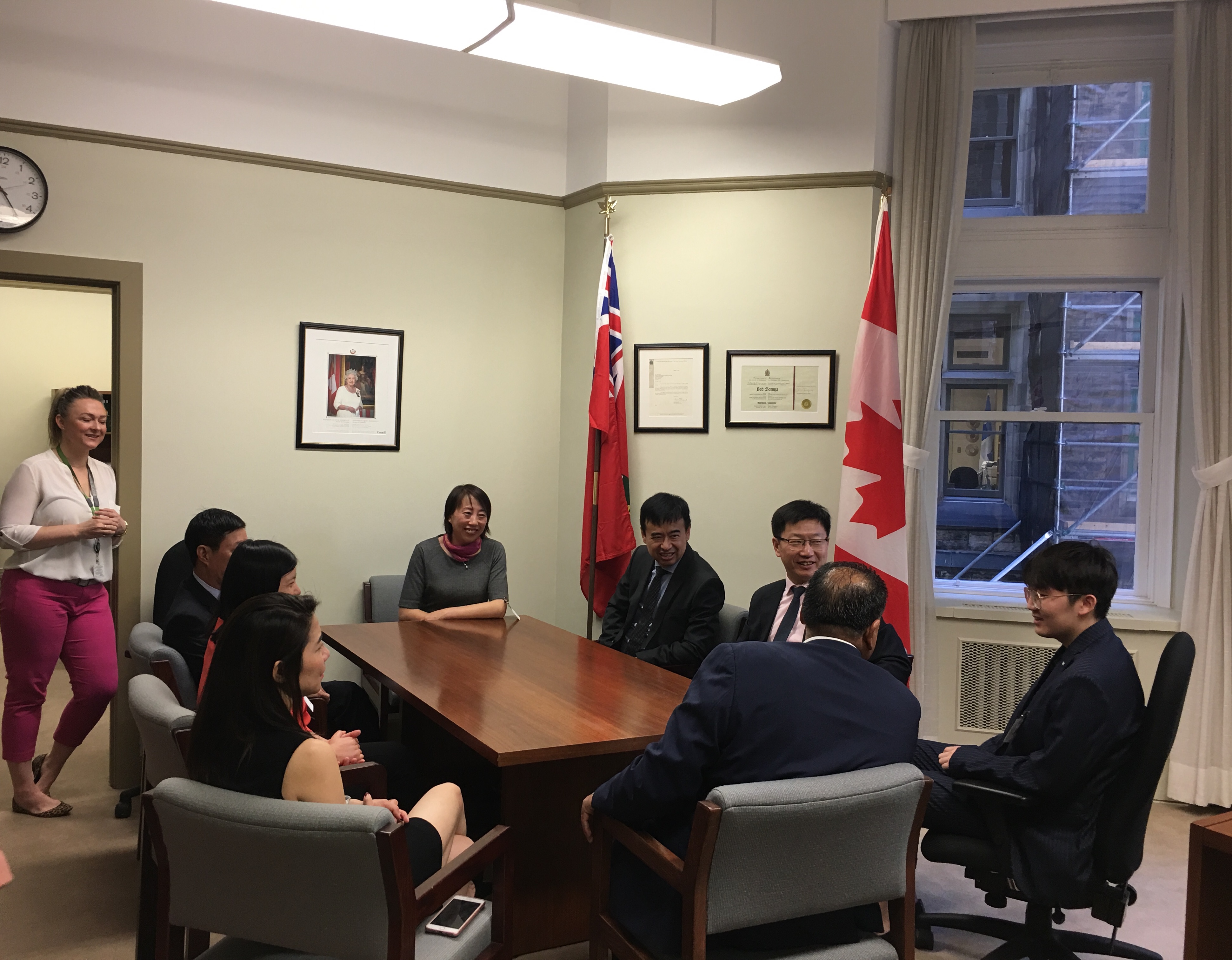
Mr. Saroya asking about Guotao's studies.
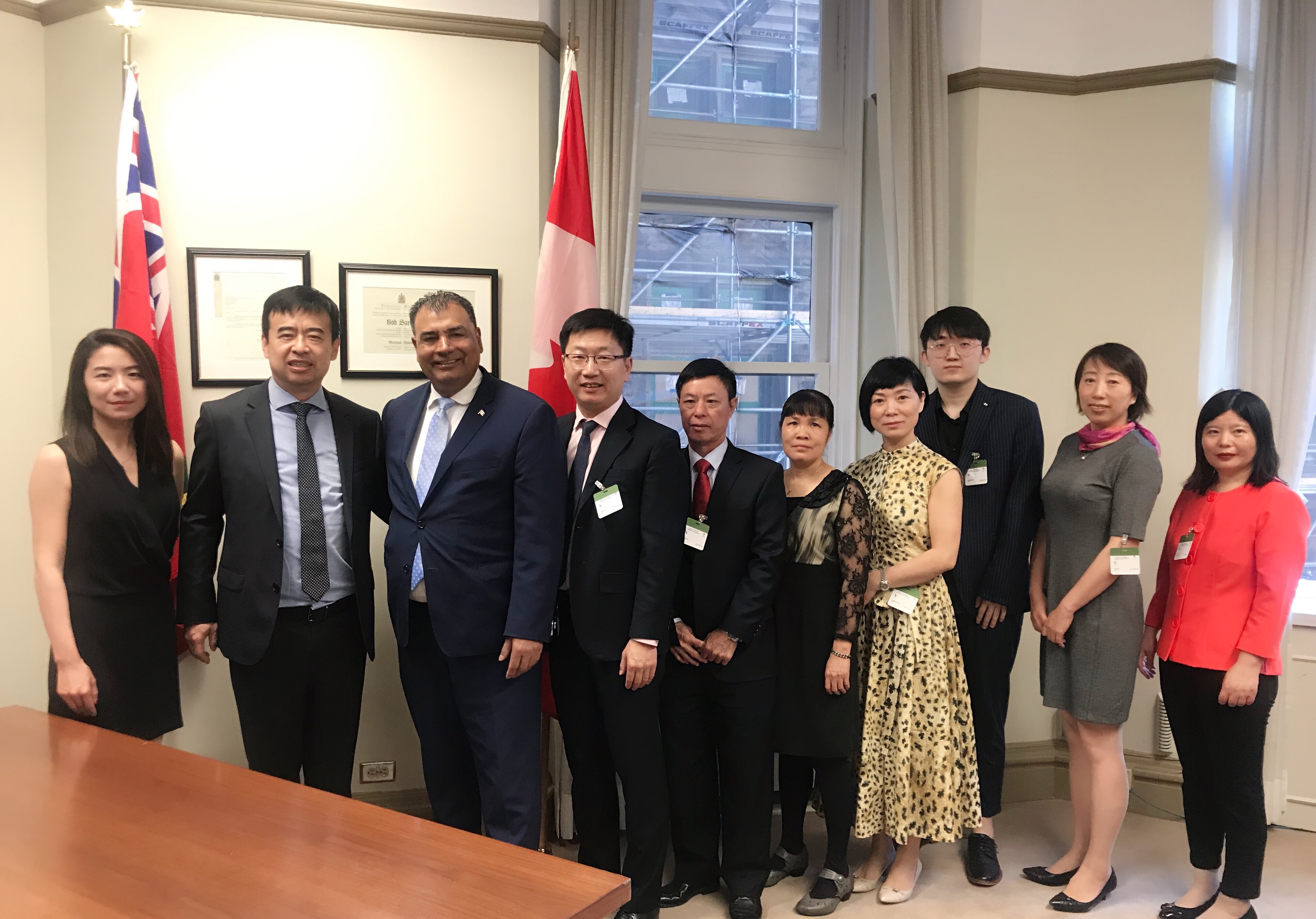
Group photo in Mr. Saroya Congress Office
The most important part of this trip is the hearing on Parliament Hill. At 11 o'clock in the morning on June 7, members of the Chamber of Commerce arrived in the House of Commons on time, sat down quietly, and listened carefully to politics.
There are lots of issues being discussed. There are topics that everyone cares about across the country, such as Carbon Pricing, Finance, Canada Revenue Agency, Democratic Institutions, Foreign Affairs, Indigenous Affairs, Pensions, Child Care, etc. The ruling party and the opposition party each offered their opinions and argued hard on reason.
Many parliamentarians have also raised issues on behalf of their constituency or special groups. Such as transportation, agriculture and food, regional economic development, forestery industry, veterans affairs, etc.

Questions on June 7
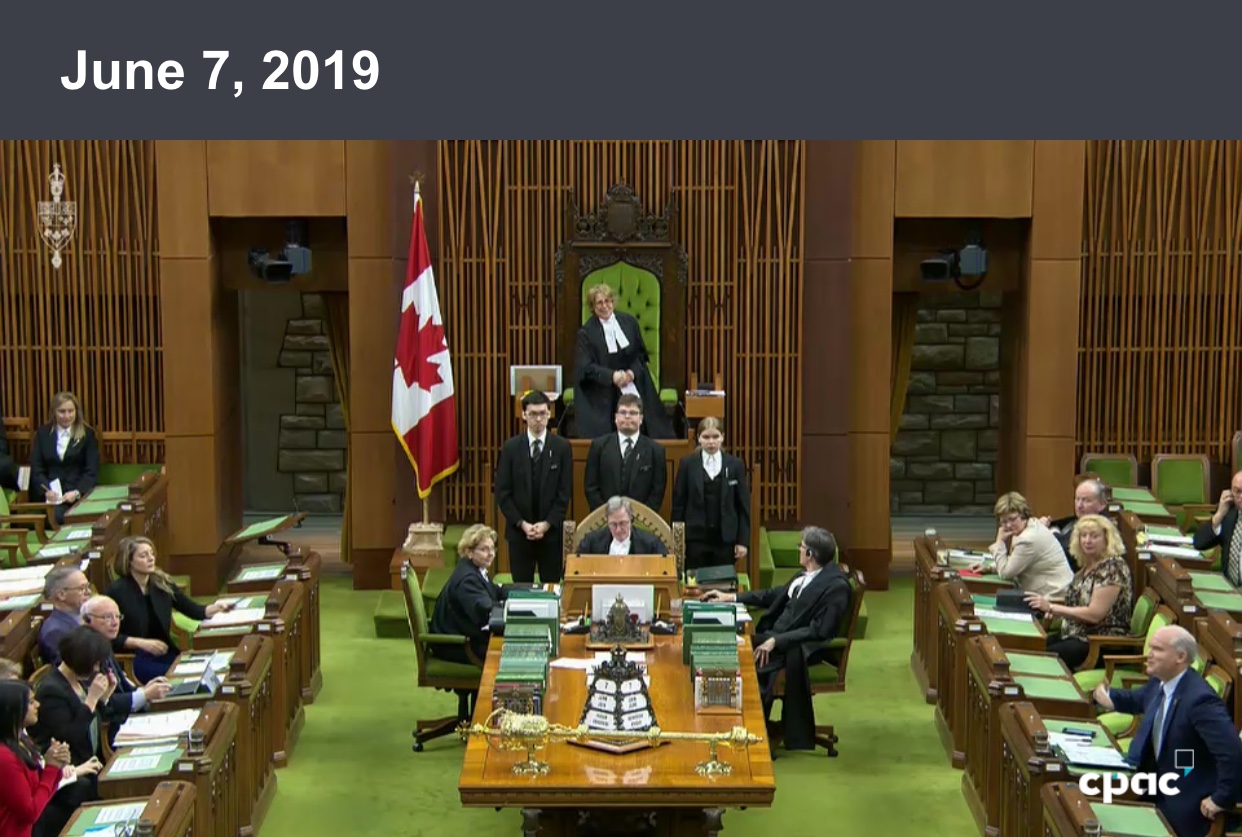
Ms. Carol Hughes, Assistant Deputy Speaker, presided over the debate
Questions about financial affairs
Mr. Joël Godin, MP from the Conservative Party asked: Making Canadian taxpayers increasingly poor, how can our government be happy? On average, hard-working Canadians have $800 less in their pockets. Millions of Canadians cannot make ends meet. To make matters worse, the government leaves a fiscal deficit of more than 80 billion dollars, and our children and grandchildren will live in heavy debts. May I ask, when can the Liberal government stop wasting Canadians' money?
Mr. Joël Lightbound, Parliamentary Secretary of the Minister of Finance replied: In fact, on the contrary, a typical Canadian family of four, compared with the Harper government, will have an extra 2000 Canadian dollars. why? Because we stopped giving gifts to the rich and stopped giving checks to families with income over million dollars. Our approach is more progressive and broader. In particular, there are 12,780 families and 23,640 children in the constituency that received 5,760 Canadian dollars tax free. This number is huge.
Mr. Joël Godin: I have enough respect for my colleagues from the Liberal Party. But I have to say: The Liberal Party is a complete hypocrite. The Liberal Party is suffocating Canadian families. They abolished Canadian children’s health and arts tax credits. They think Canadians are idiots. The Liberal government gives it with one hand and takes it with the other. The per capita household in Canada is 800 Canadian dollars less. The Liberal Government’s actions were irresponsible and dishonest.
Mr. Joël Lightbound: Citing the results of the Fraser Institute’s research is unreliable because the data does not include the Canadian child welfare component. In the constituency of MP Joël Godin, 23,500 families received child benefits, which maked a huge difference in family income. There is also a tax credit for public transportation expenses, up to 15%. Residents of Quebec City can get a public transportation tax rebate of $13 per month at the end of the year, which is another area different from child welfare.
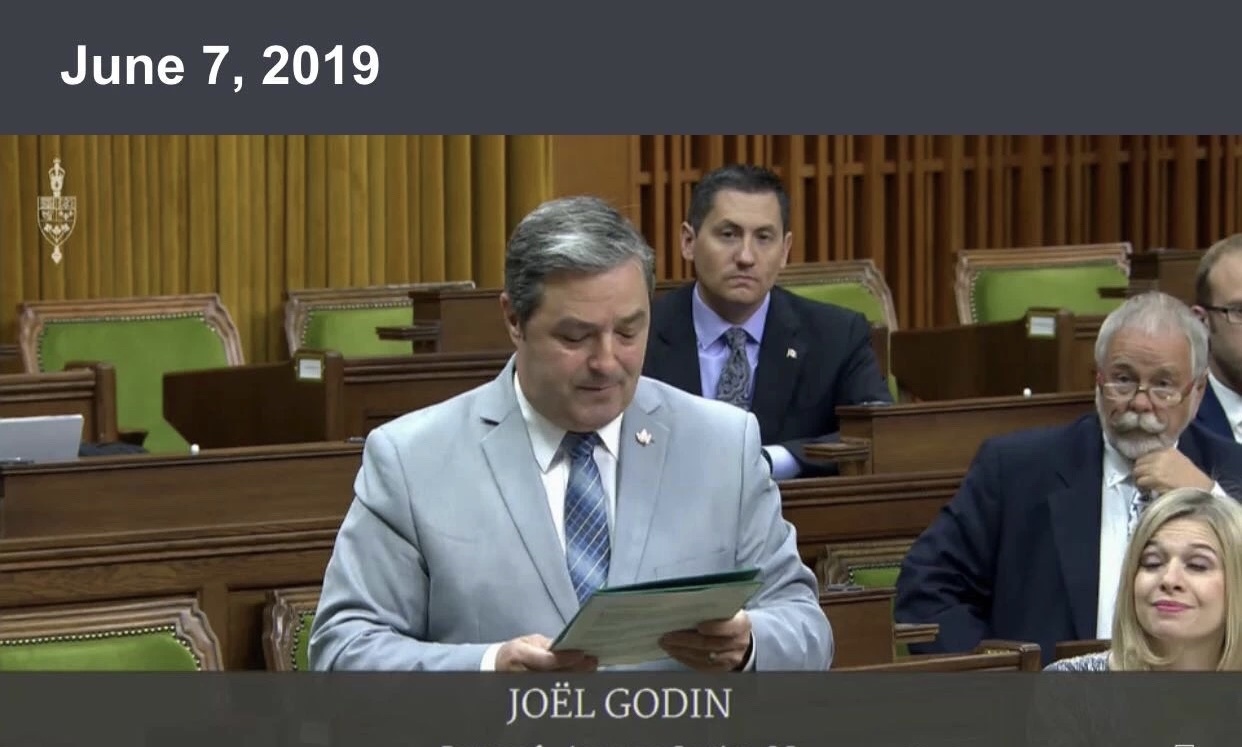
Conservative MP Joël Godin asked

MP Joël Lightbound, Parliamentary Secretary of the Minister of Finance replied
Inquiries about elderly affairs
MP Rachel Blaney, Member of the New Democratic Party: I want to ask: For the richest and most vulnerable group, which party does the Liberal Party cares more about? A voter recently shared her experience with me. She applied for Old Age Security two years ago and asked about her progress countless times. 944 days passed without the slightest result. If Service Canada has sufficient resources, older people will not suffer. Could the minister explain how long this situation will continue for the elderly?
Minister of Seniors Filomena Tassi replied: I am very happy to have the opportunity to talk about the work our government has done for the elderly. We have restored the legal age of Old Age Security and Guaranteed Income Supplement from 67 to 65. This prevented 100,000 elderly people from entering poverty. We have added GIS to the most vulnerable seniors, which has a positive impact on 900,000 seniors and saves 57,000 seniors from poverty. In other areas, such as the 55 billion national housing stategy and the 6 billion investment to increase family services and palliative care. We know that the elderly should be well old. We continue to work hard for the elderly.
New Democratic Party Member Matthew Dube: When people have to wait as long as 2 years, sooner or later, age does not seem so important. This is about the dignity of our elderly. The reality is clear: Service Canada does not have enough resources to help seniors get their income subsidies and pensions. I want to ask again: Can the Liberal Party put aside the empty talk and truly realize that Service Canada needs sufficient resources to ensure the welfare and dignity of the elderly.
Parliamentary Secretary to the Minister of Families, Children and Development Adam Vaughan : We are committed to ensuring that Service Canada can handle the needs of the elderly faster. In fact, we have accelerated the processing speed, but there is still a lot of work to be done. Regarding the registration of OAS, CPP and GIS, we are taking measures to automatically register through the tax system to ensure that the elderly receive their benefits and dignity. We are also stepping up CPP reforms and improving CIS, so that the elderly can get more and better protection.
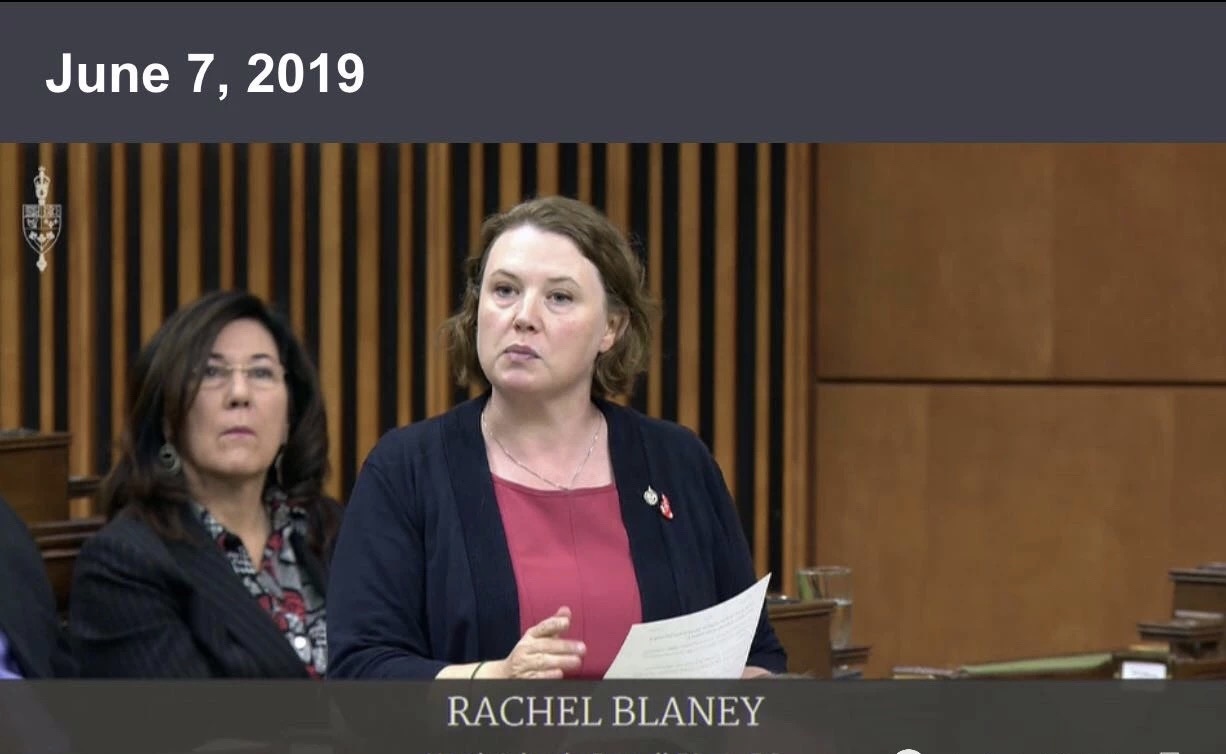
Question by MP Rachel Blaney, Member of the New Democratic Party
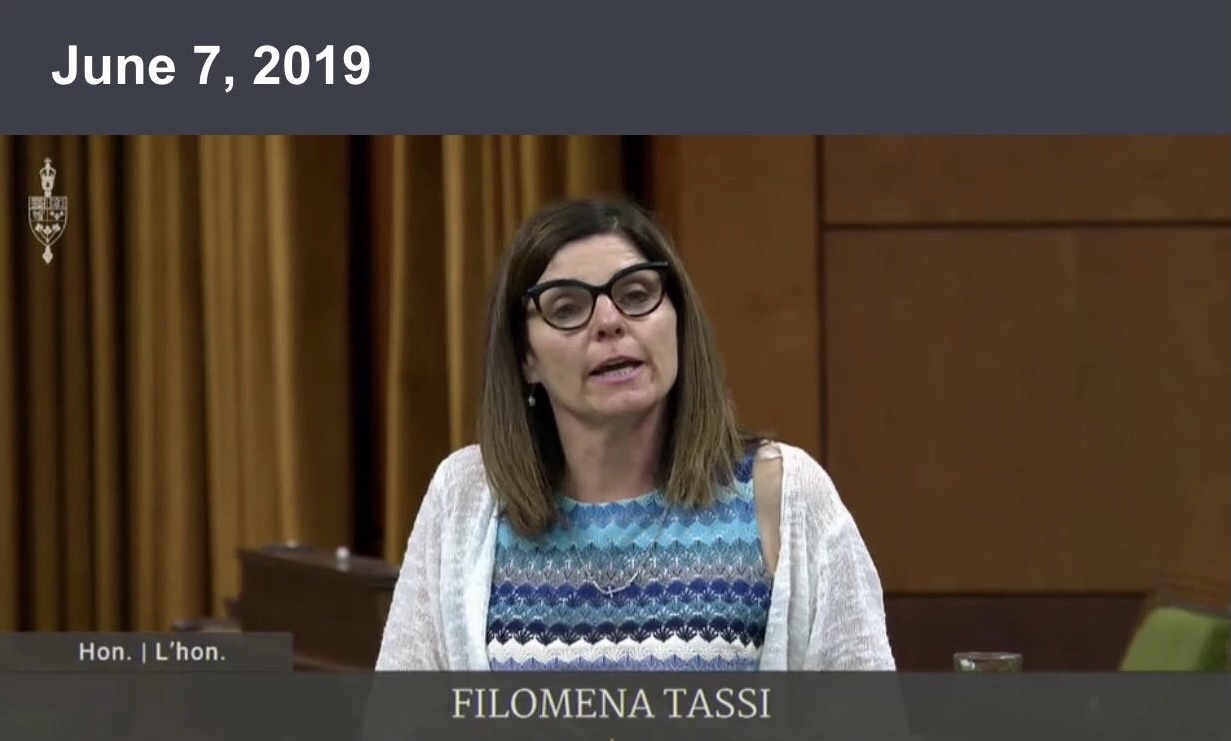
Minister of Seniors Filomena Tassi replied
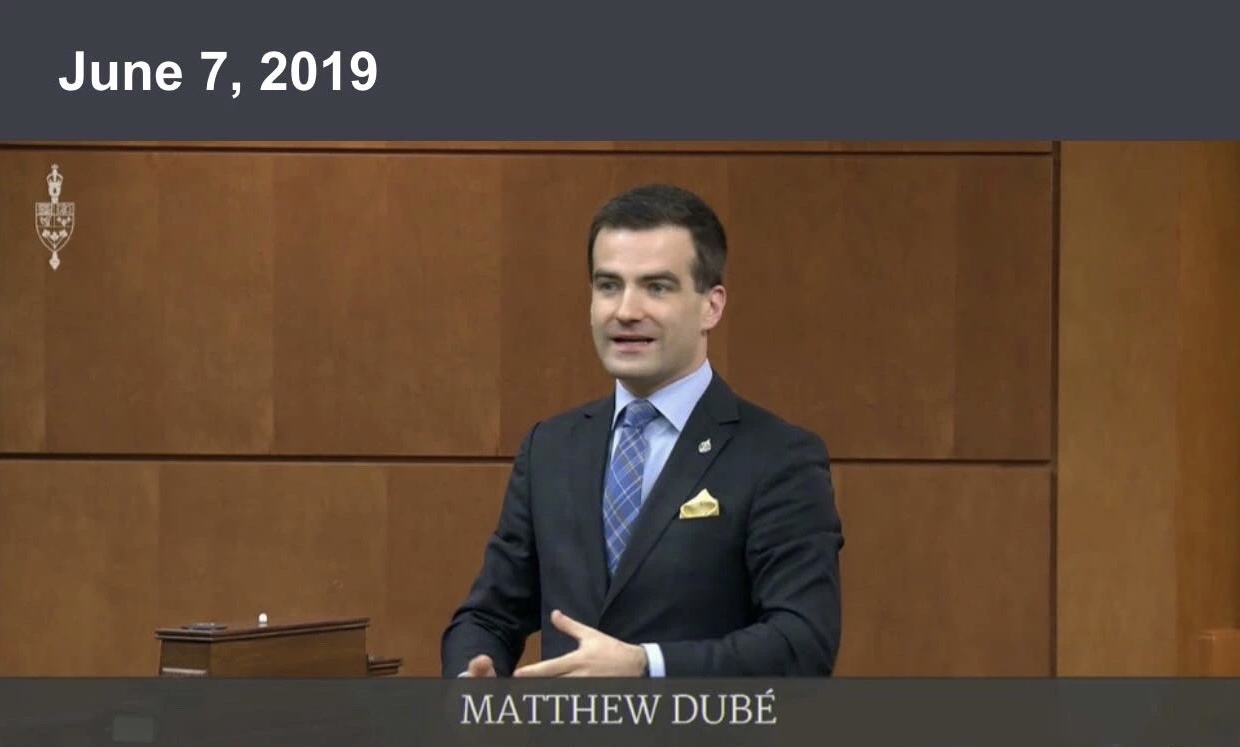
New Democratic Party Member Matthew Dube
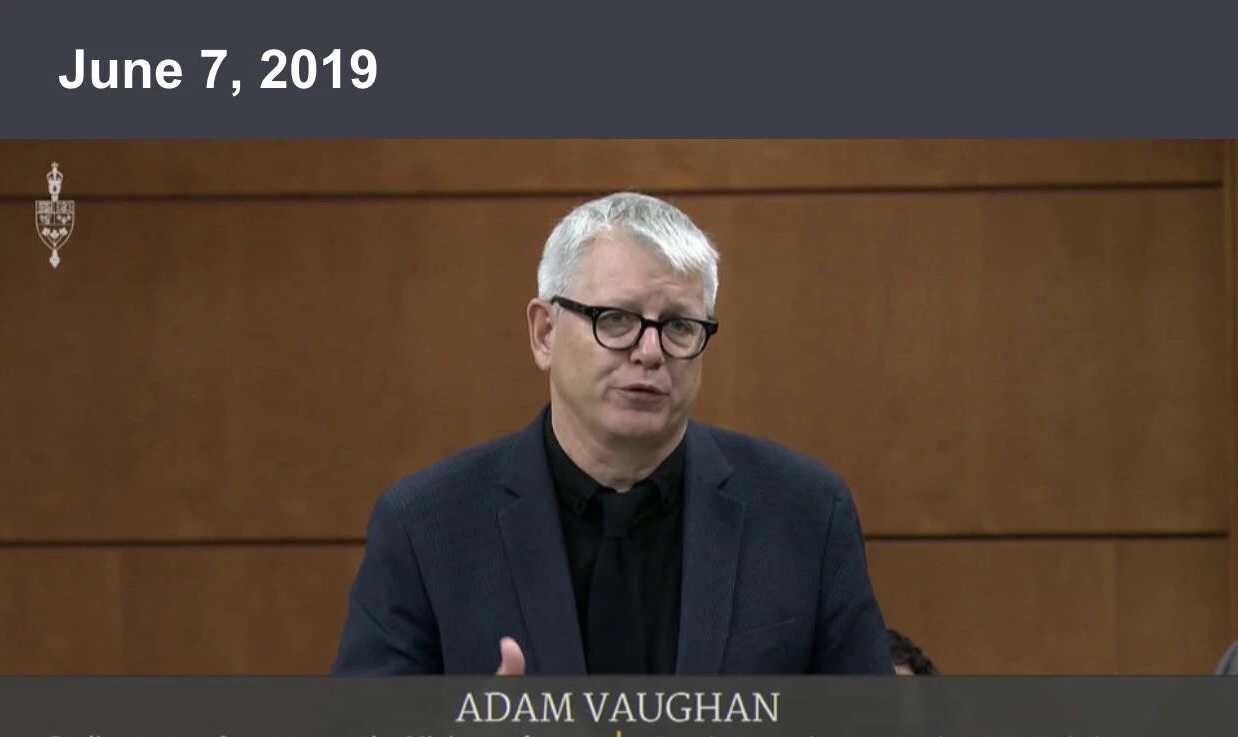
Parliamentary Secretary to the Minister of Families, Children and Social Development Adam Vaughan
Democratic institution issues
Conservative MP Mr. Dane Lloyd: We have seen the Liberal Party use 600 million Canadian dollars to gain an advantage for them in an election year. Now, the Liberal Party is forcing Elections Canada to hire influential people on social media to vote. Can the Liberal Party guarantee that these people will be impartial? Or is this another example of the Liberal Party trying to harm the next election?
Karina Gould, Minister of Democratic Institutions of the Liberal Party: There is only one party in Congress that wants to oppress Canadian voters, and that is the Conservative Party. In fact, records show that the Conservative Party misled voters about where to vote. They have tried to avoid the rules of raising funds. Once a member of the Conservative Party went to jail for failing to abide by the election law.
Conservative MP Stephanie Kusie: We understand that Elections Canada plans to spend 650,000 Canadian dollars to hire social media influencers. Elections Canada should promote free and fair elections, rather than being forced by the Liberal government to harm the elections.
Karina Gould: The Conservative Party is playing a dangerous game. They always sabotage elections. I have a challenge. See if they will not violate the election law for the first time in 2019.
Stephanie Kusie: Elections Canada keeps the names of people they hire with influence on social media confidential. Among them are musicians, athletes, celebrities, and YouTube content creators. However, the Prime Minister asked them to set aside their opinions and experience and not be biased. This is unfair and impossible. Why doesn't the prime minister admit that he is using his power and influence to sabotage the election?
Karina Gould: When the Conservative Party was in power, they introduced election bills that made it difficult for Canadians to vote. They restrict the rights of Canadians living overseas, and they even disagree with the Chief Electoral Officer telling Canadians how to vote. And we don’t have to learn any lessons, and we always agree with the facts.
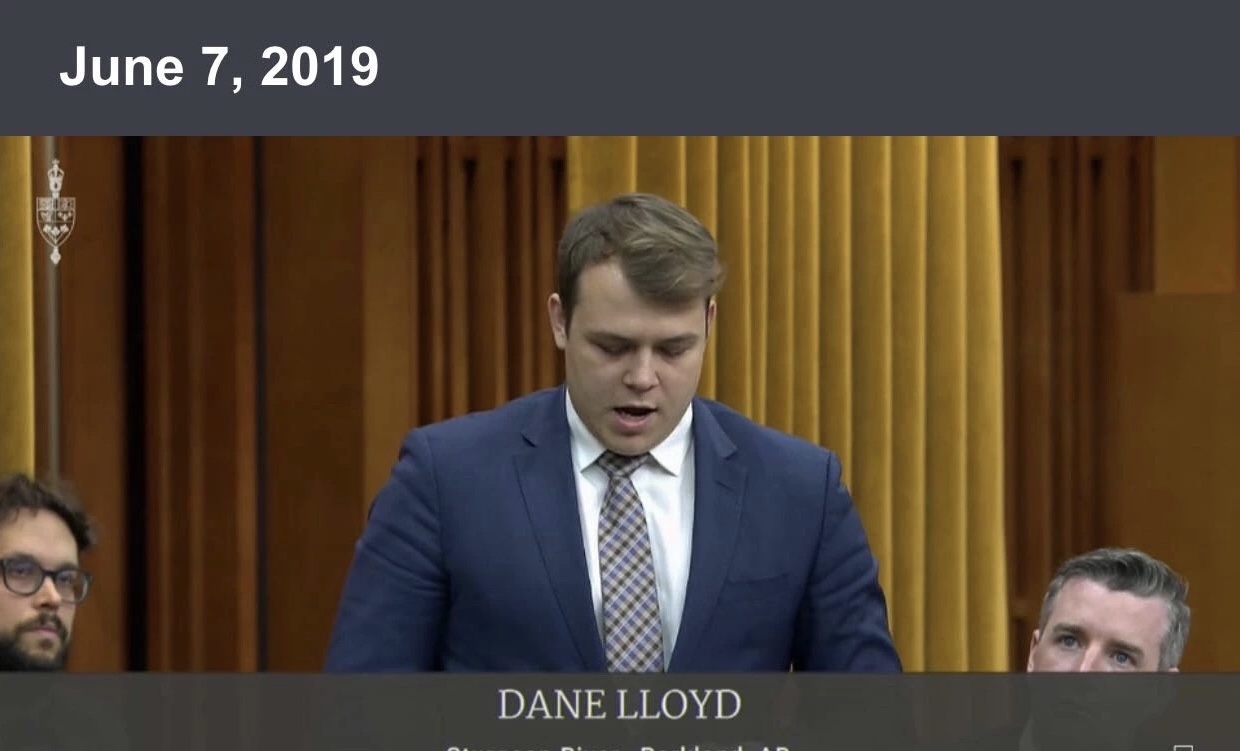
Conservative Party Member Mr. Dane Lloyd asks a question
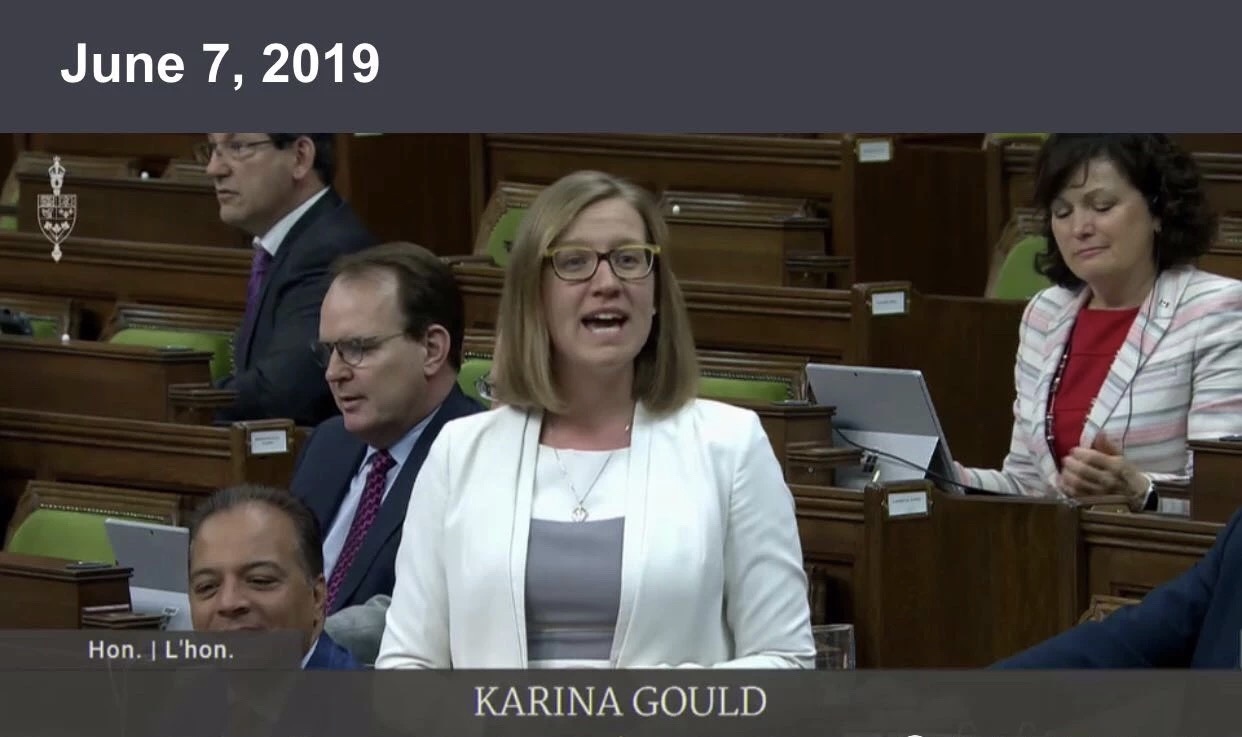
Answered by Karina Gould, Minister of Democratic Institutions of the Liberal Party
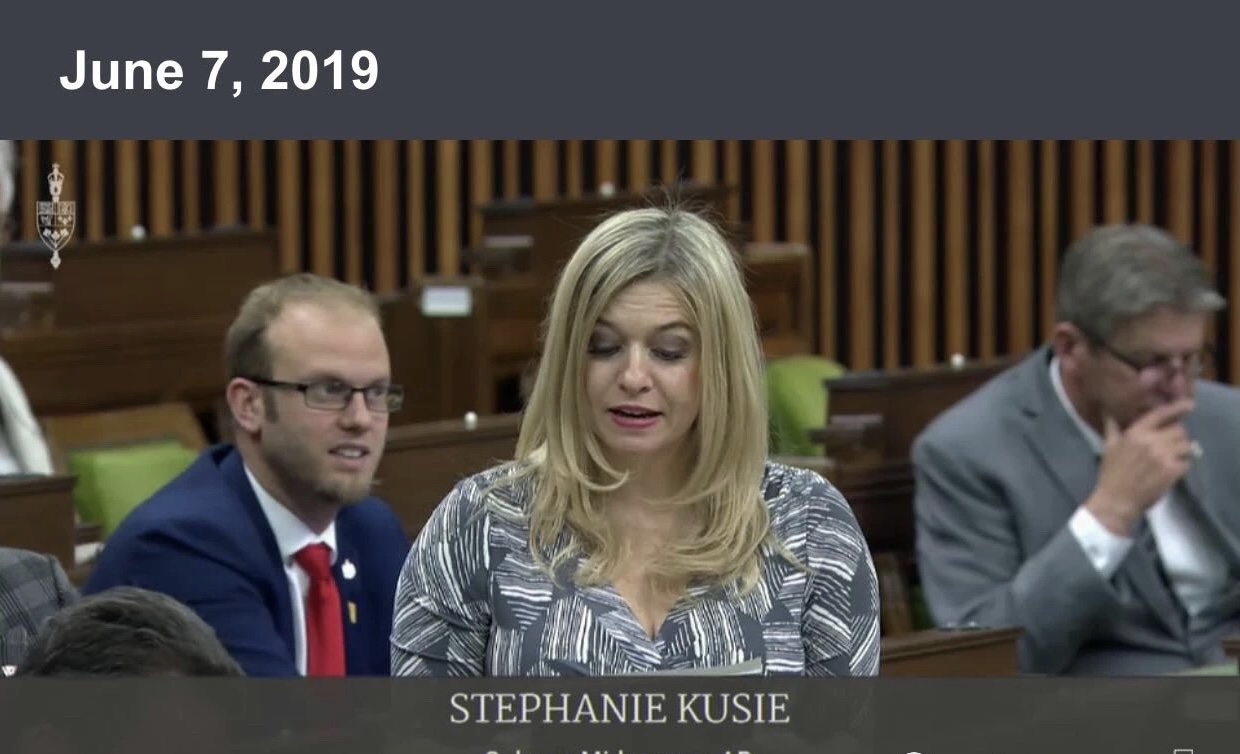
Conservative MP Stephanie Kusie asks
The debate in the House of Representatives was fierce, and everyone was engaged. Ms. Carol Hughes, assistant deputy speaker, had to stand up with a serious expression, reminding everyone to keep order. "Order" enables all people to hear questions and also allows members to answer questions.
Former US President Roosevelt said that the way of democracy is free discussion. This time, members of the Chamber of Commerce had the opportunity to listen to various debates and understand different views.
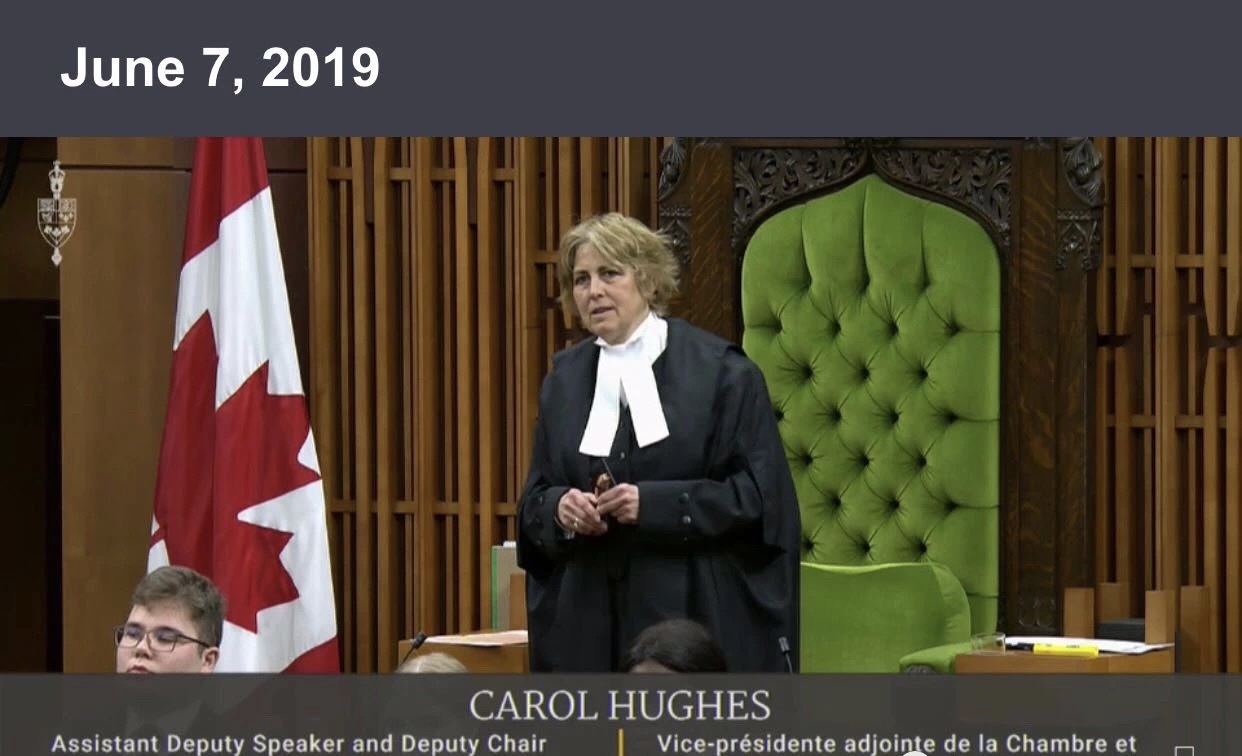
Ms. Carol Hughes, Assistant Deputy Speaker of the House of Commons, maintains the order of the debate
At 12:30, the hearing ends. Mr. Saroya invited members of the Chamber of Commerce to have lunch at Parliament Hill. Senator Victor Oh also met with everyone. The host and guests talked happily.

Chamber of Commerce members had lunch with Senator Victor Oh (fifth from left) and MP Bob Saroya (center) on Parliament Hill
At 3 pm, Mr. Saroya arranged for staff to lead members of the Chamber of Commerce to tour the House of Commons.
The House of Commons currently has 338 seats. The Members of Parliament (MP) are directly elected by the federal constituency divided by the proportion of the population of each province, and the term of office is 4 years. According to the Canadian Electoral Act, all citizens who have reached the age of 18 have the right to run for the House of Commons. Members of the House of Representatives can be re-elected without term limit.
The Speaker of the House of Commons has been appointed by the majority party in the past. Beginning in 1985, the Speaker of the House of Commons was elected by secret ballot after the formation of the new Parliament. The speaker holds a neutral attitude in the parliament. Their main responsibilities are to preside over the meeting, determine the procedures of the parliament and manage daily affairs, and represent the House of Commons in related activities. Since 1867, the House of Commons has produced 34 speakers.
The main function of the House of Commons is to supervise the work of the government and formulate various bills. Any bill involving the national budget, only the House of Commons has the authority to propose. The House of Commons can also raise a bill of no confidence in the government or veto the budget to force the government to step down. Once the government is dissolved, the opposition party can be ordered to form a cabinet or hold a national election.
Both the House of Commons and the Senate have the power to propose bills, but most of the bills are proposed by the House of Commons. Any bill must be passed by the Senate and House of Commons and submitted to the Governor for signature before it can become law.
During the visit, everyone noticed that the House of Commons was green. The staff explained: Green is the color of grass. Members of the House of Commons are directly elected by voters, and they speak on behalf of the grassroots.
A member of the Chamber of Commerce asked: I remember that in the 2015 general election, Canada was divided into 338 electoral districts in proportion to the population, with 338 members of the House of Commons. The Canadian population has grown in recent years, why hasn’t the number of members of the House of Representatives increased? The staff replied: Canada conducts a census every 10 years. That is, the number of constituencies is adjusted every 10 years.
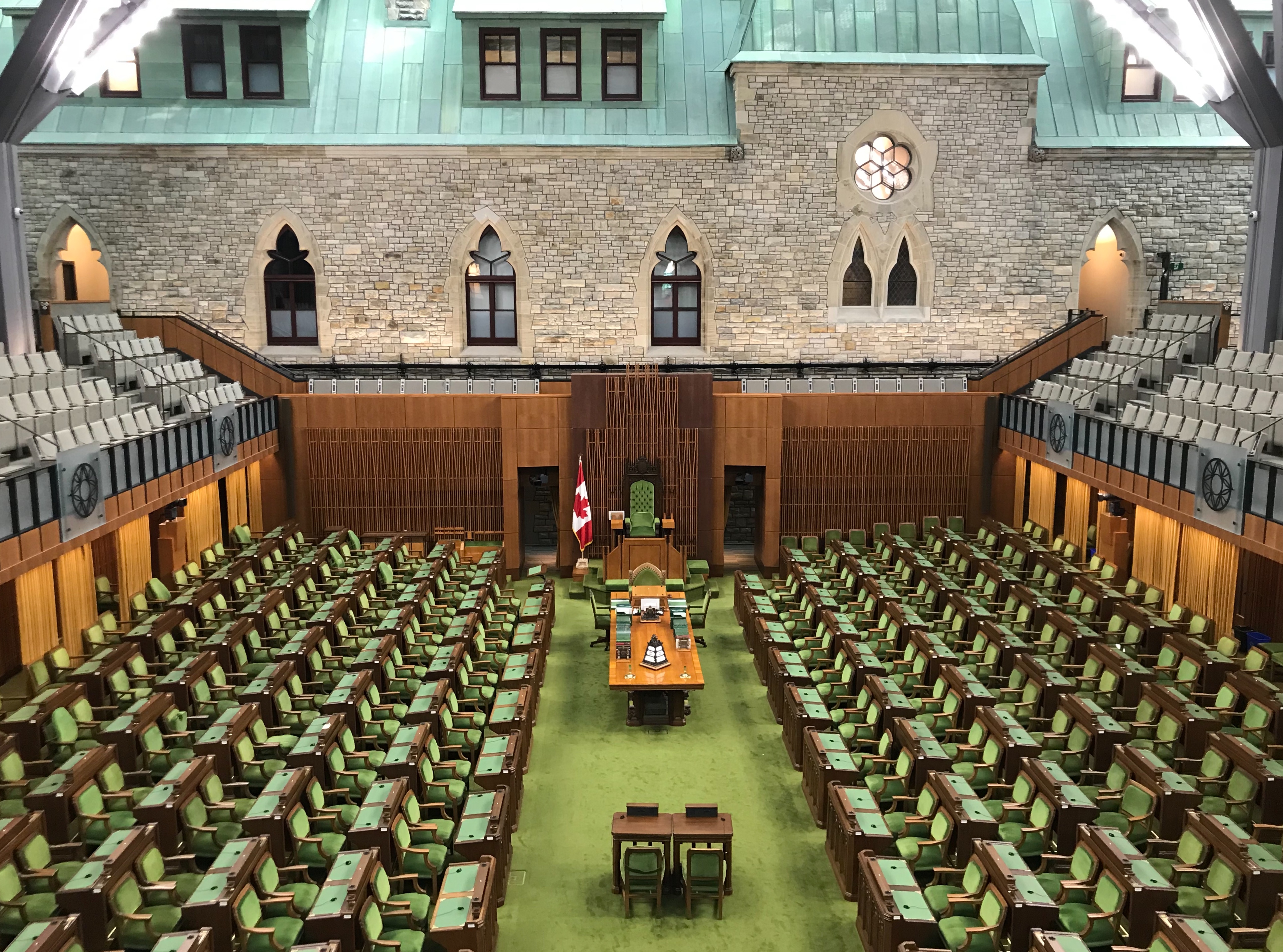
Chamber of House of Commons
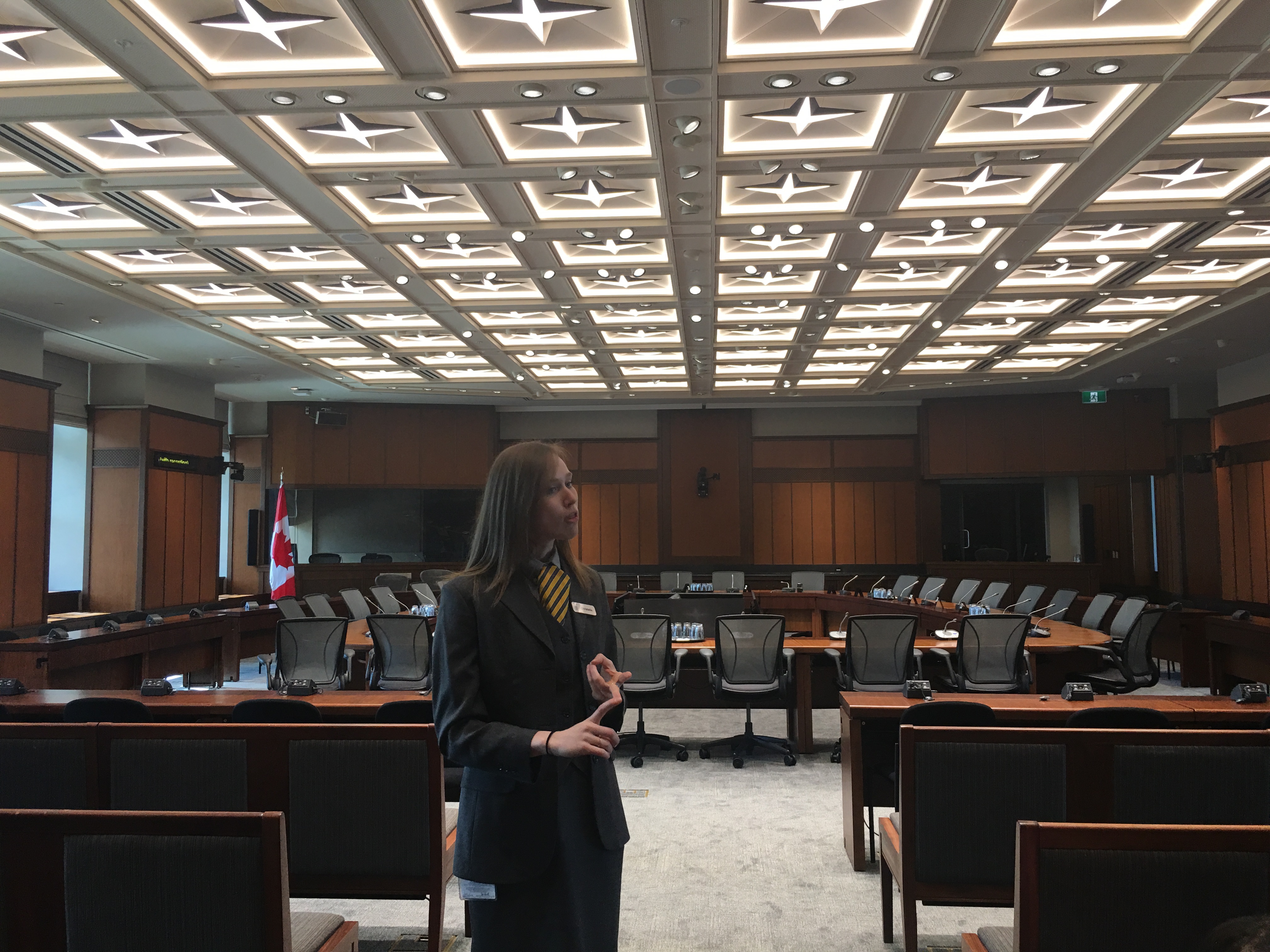
Parliamentary staff introduces the House meeting room
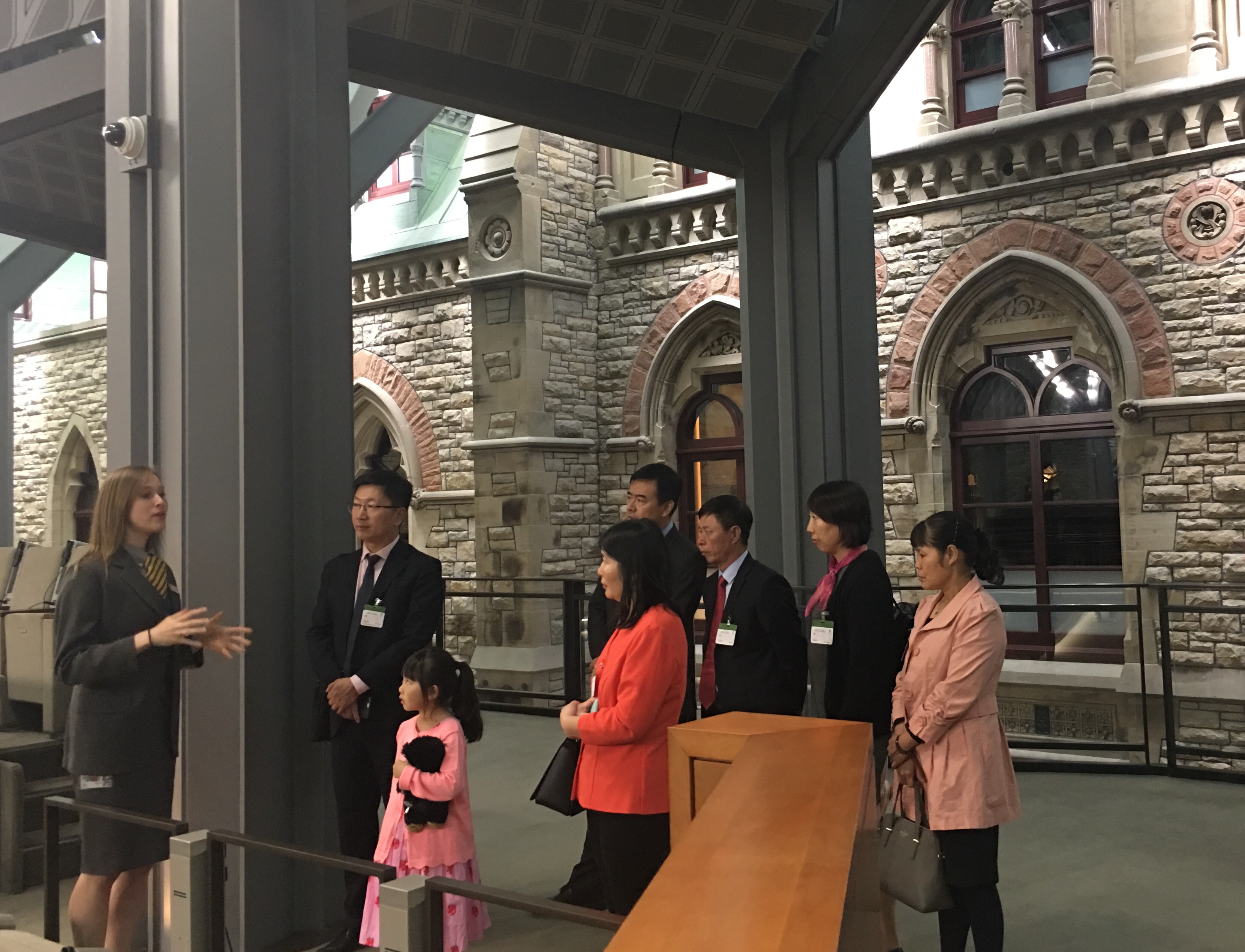
Senate staff leads the Chamber of Commerce members to the Senate House
At four o'clock in the afternoon, the tour ends. Taking advantage of the sunset, everyone took a group photo in front of Parliament Hill.
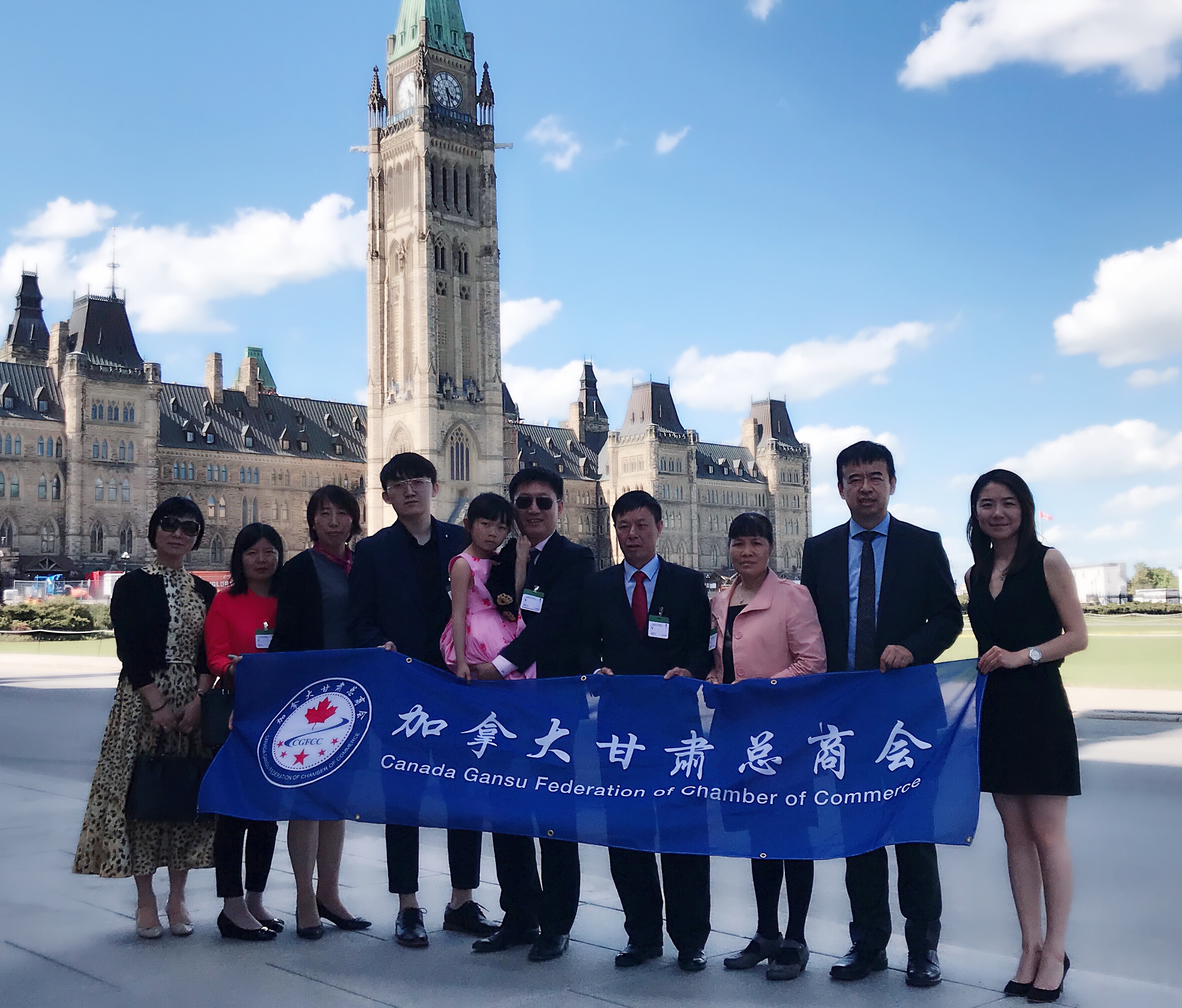
Left to right: Qiongying Song, Susan, Xiaochun Guo, Guotao Liu, Alysa, Zhaoan Sui, Lixing Luo, Danyun Xiao, Jianqiang Zhu, Wanzhuo Nan